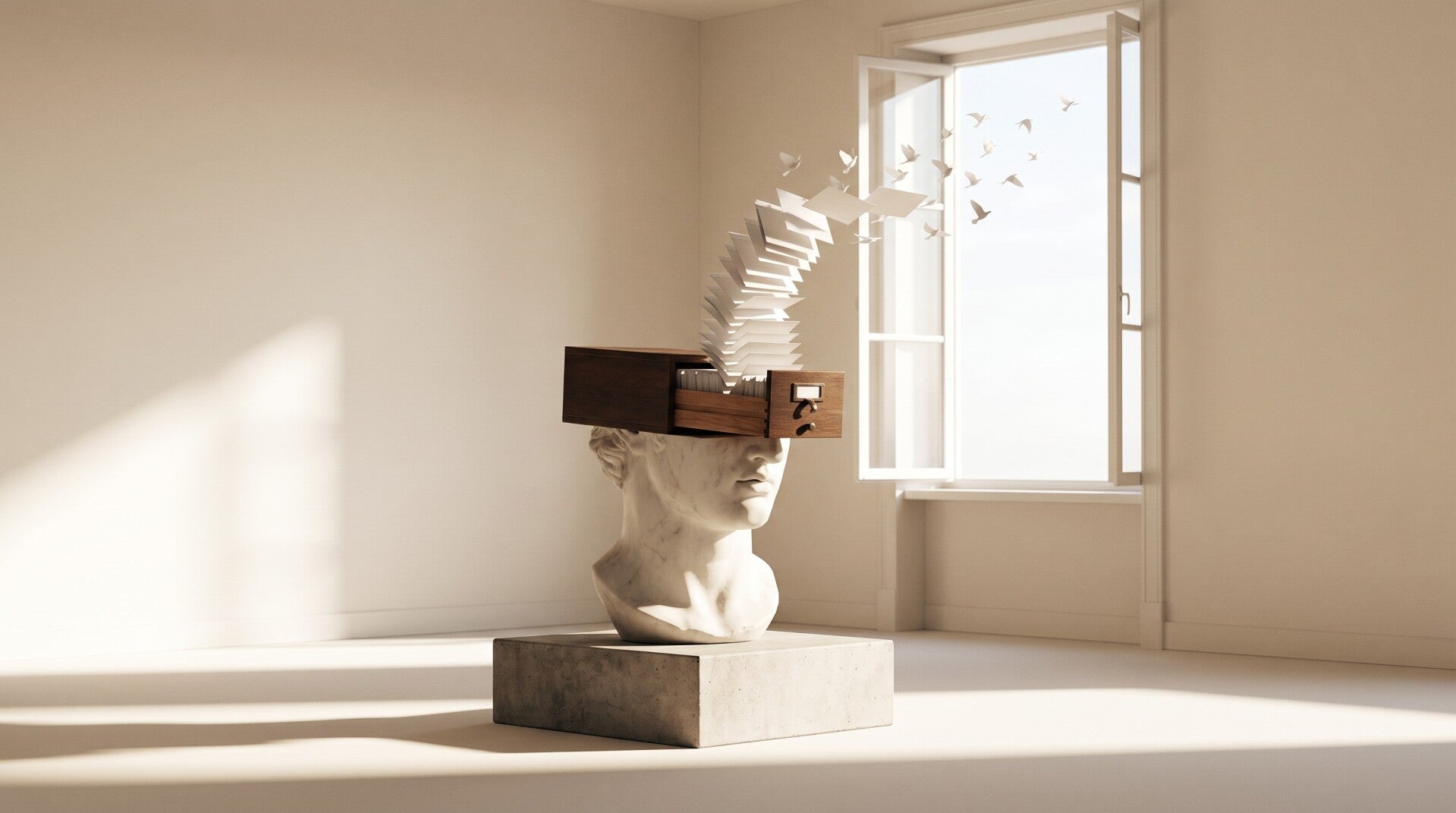
Belgium 1830–2030: Thinkers & Philosophers

Belgium produced more original minds than its size suggests. Meet Adolphe Quetelet and his “average man”, Paul Otlet and his Mundaneum, Henri Pirenne, who gave Belgium a national story, Chaïm Perelman and his new rhetoric, and the free thinkers Leopold Flam and Leo Apostel.

Henri Pirenne: The Historian Who Gave Belgium a Story

Henri Pirenne (1862–1935) was the Ghent historian whose seven-volume Histoire de Belgique (History of Belgium, 1900–1932) gave the country a coherent past reaching centuries before 1830. During the First World War, as a deportee without access to any archive, he wrote a history of Europe. His work shows that a historical story does not become 'true' through certainty but through method: source criticism, honesty about what you don't know, and a willingness to revise your own story.

Read more »

Adolphe Quetelet and the Invention of the 'Average Man'

Adolphe Quetelet (1796–1874) was a mathematician, astronomer and statistician from Ghent who introduced the 'average man' (l'homme moyen) in 1835. The average man is a fictional person whose traits are the averages of all measurements taken in a population. With this idea, Quetelet laid the foundations of social statistics and of what we now call the BMI, but he also turned the average into a yardstick against which individuals were judged.

Read more »

Create Your Own Website With JouwWeb